

In Britain, many couldn’t wait for the official announcement. The celebrations kicked off as soon as the news broke on 7 May 1945. After years of wartime hardships, from the rationing of food and clothing to the constant threat of blackouts and bombings, people were desperate to finally let their hair down and celebrate their newfound freedom. Bunting and flags quickly adorned the streets of villages, towns, and cities up and down the country. Bonfires were lit, people danced in the streets, and pubs, staying open late, were packed with jubilant crowds. To find out more about how Victory in Europe Day was, and still is, celebrated in Birmingham, visit birminghamyes.com.
VE Day—A National Holiday
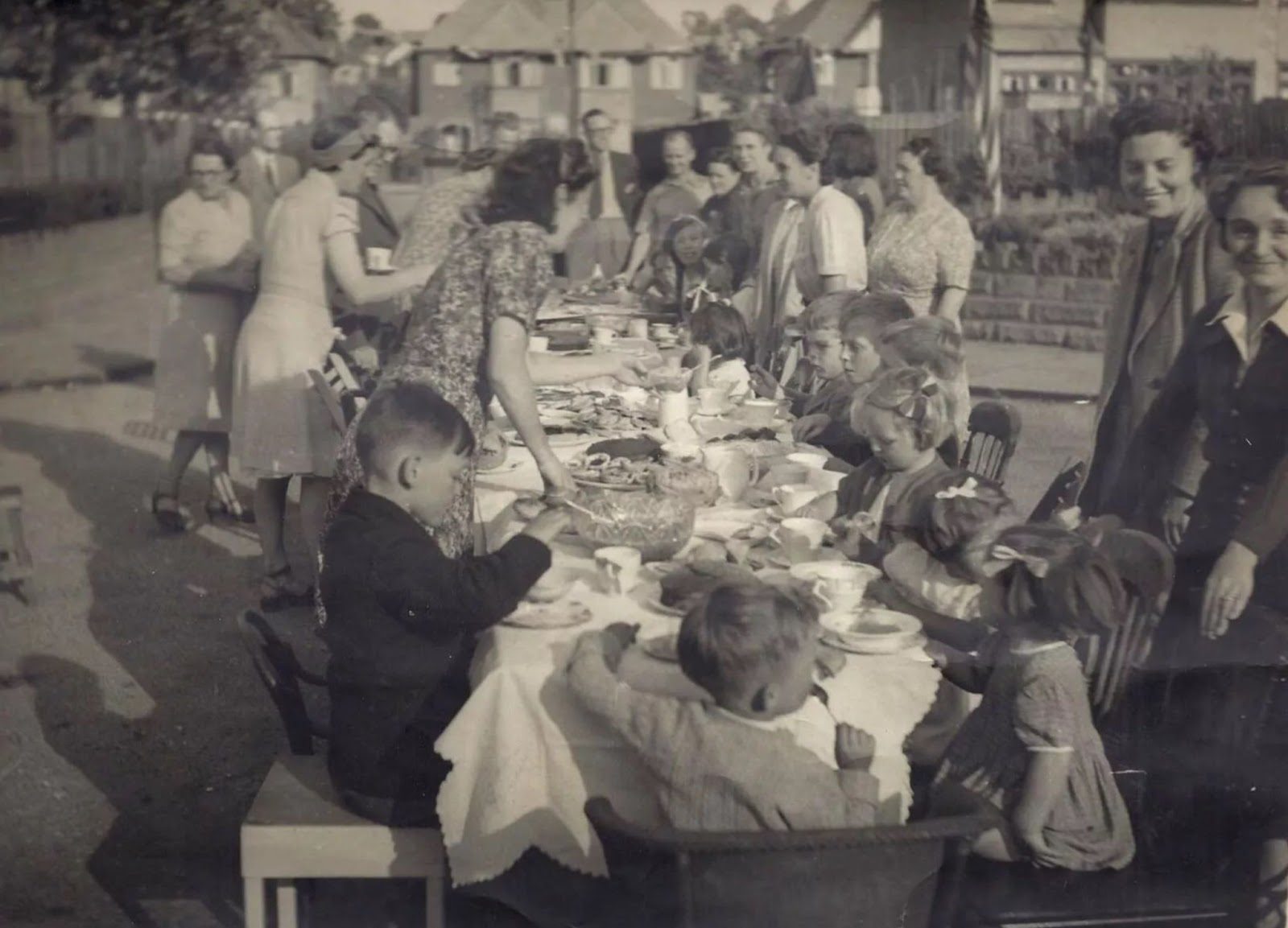
8 May 1945 was declared a national holiday in Britain. That morning, Churchill was assured by the Ministry of Food that there was plenty of beer to go around in the capital. Meanwhile, the Board of Trade announced that red, white, and blue bunting could be purchased without the need for ration coupons. Commemorative memorabilia, like ‘VE Day’ mugs, were hastily produced to mark the occasion. Some restaurants also offered special ‘victory’ menus.
A variety of events were organised for the occasion, including parades, thanksgiving services, and street parties. Communities came together to share in the moment. St Paul’s Cathedral, for instance, held ten consecutive services of thanksgiving for peace, each attended by thousands of people. Due to the time difference, New Zealand officially celebrated VE Day on 9 May. The government decided to postpone the national holiday until after Winston Churchill’s official announcement of peace in Europe. This meant New Zealanders had to go to work on 8 May and wait until the following day to begin their celebrations.
VE Day celebrations continued late into the night. While the capital saw the largest crowds, people across Britain joined in the festivities with singing and dancing. Bonfires and fireworks lit up the night sky to mark the occasion.
An estimated 50,000 people had crowded around Piccadilly Circus by midnight. The day’s incredible joy broke down social barriers, with strangers chatting and embracing as if they were old friends. Music was provided by gramophones, accordions, and organs, and revellers sang and danced to the popular tunes of the time. Licensing hours were extended so people could drink to the end of the war, and dance halls stayed open until midnight.
Mass Celebrations in Birmingham
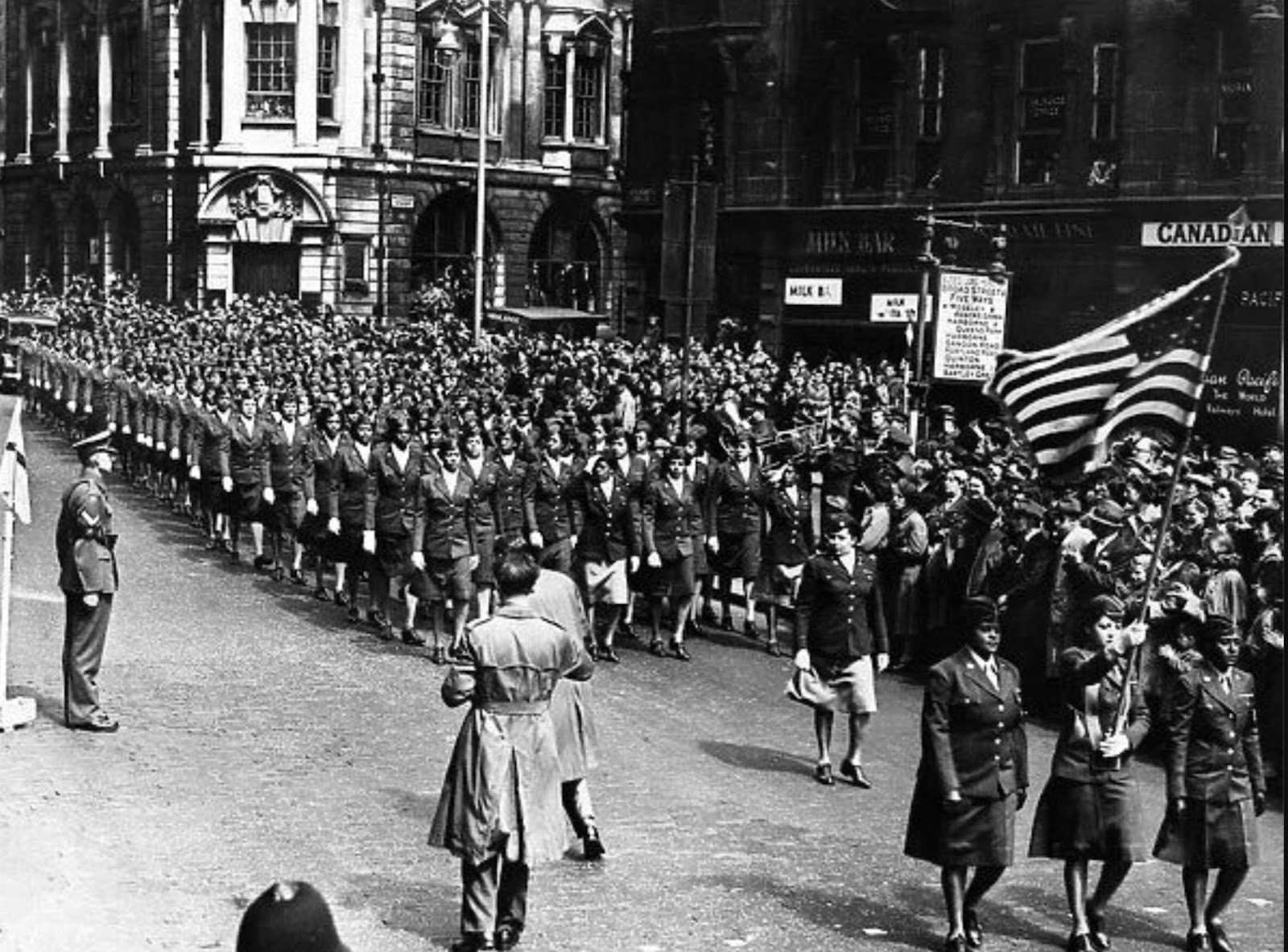
VE Day celebrations in Birmingham were much like those happening across the country. Although the day began with a drizzle that left the bunting and flags looking a little worse for wear, children dressed in red, white, and blue were determined not to let the weather dampen their spirits or spoil the planned festivities. Aston Parish Church held services every hour. Around 4,000 people attended services at St Philip’s Cathedral. Then the sun came out, and Birmingham residents began to flock to the city centre.
The city centre quickly became thronged with revellers. People mingled and chatted, and music filled the air in some places. Smiles were on every Brummie’s face as they openly showed their joy. The main streets were decked out with Union Jacks and, to a lesser extent, the Stars and Stripes. Many formed groups of seven or eight, linking arms and dancing right in the middle of the street. Streamers and celebratory leaflets filled the air. The atmosphere was incredible.
Victoria Square, Stephenson Place, High Street, and the Bullring were impassable to traffic, with crowds singing and dancing in the streets. The Council had no plans to broadcast Churchill’s speech from the Council House, but the Lord Mayor and Lady Mayoress made an appearance on the balcony to the roar of the cheering crowd.
A hush fell over the crowd for the King’s speech. People remembered the ongoing war in the Far East and thought of those they had loved and lost. The Lord Mayor then told the assembled crowd how proud he was of the city and its people for their contribution to the war effort.
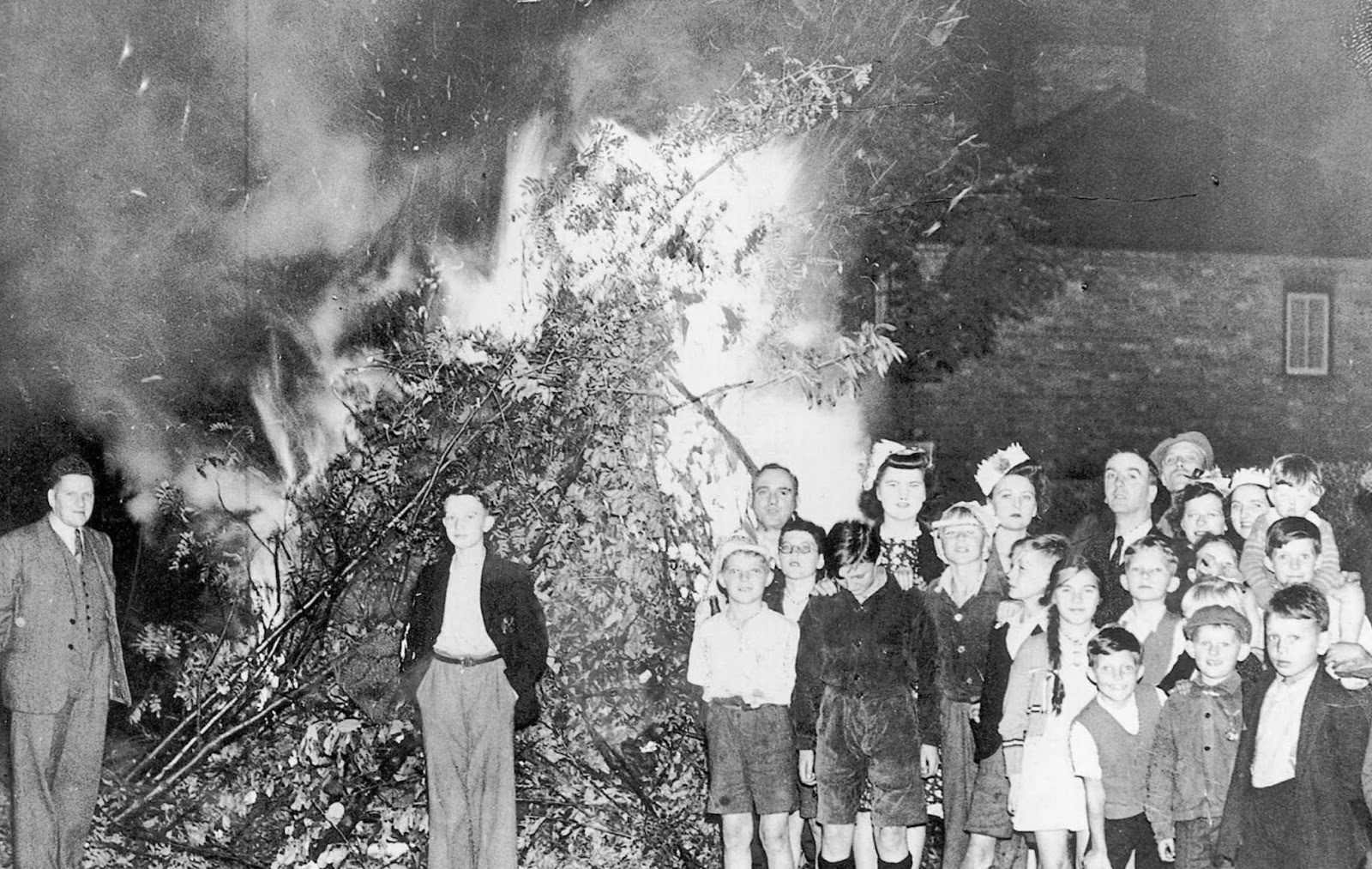
Afterwards, residents across the city began organising their own street parties. Tables and chairs were brought out into the streets, laden with food and treats for everyone to share. These impromptu parties sprang up everywhere, from Bourn Close in Hall Green and Marroway Street in Ladywood to Cregoe Street. The Lord Mayor and Lady Mayoress also strolled through Birmingham, exchanging congratulations with the jubilant locals. Spirits were high, and smiles were everywhere. As darkness fell, huge victory bonfires were lit in areas like Billesley, much to the delight of local children.
Honouring Heroes at the Hall of Memory
The local newspaper, The Birmingham Mail, featured a portrait of Prime Minister Winston Churchill on its front page. The day’s main headline declared Germany’s unconditional surrender. A smaller sub-headline stated that all fighting forces would lay down their arms. Further down, another headline read: “Admiral Dönitz Gives the Order.” This referred to the order under which Colonel General Alfred Jodl, Chief of the Wehrmacht Operations Staff, signed the final instrument of surrender on Germany’s behalf. Following Adolf Hitler’s death, Dönitz had briefly served as Germany’s head of state.
The war’s heroes were also honoured at the Hall of Memory in Centenary Square. For nearly a century, the Hall has been the city’s focal point for remembrance events. On this day, too, it drew large crowds of Brummies. A military parade to celebrate VE Day was held in Birmingham on 15 May.
Commemoration in Modern Times
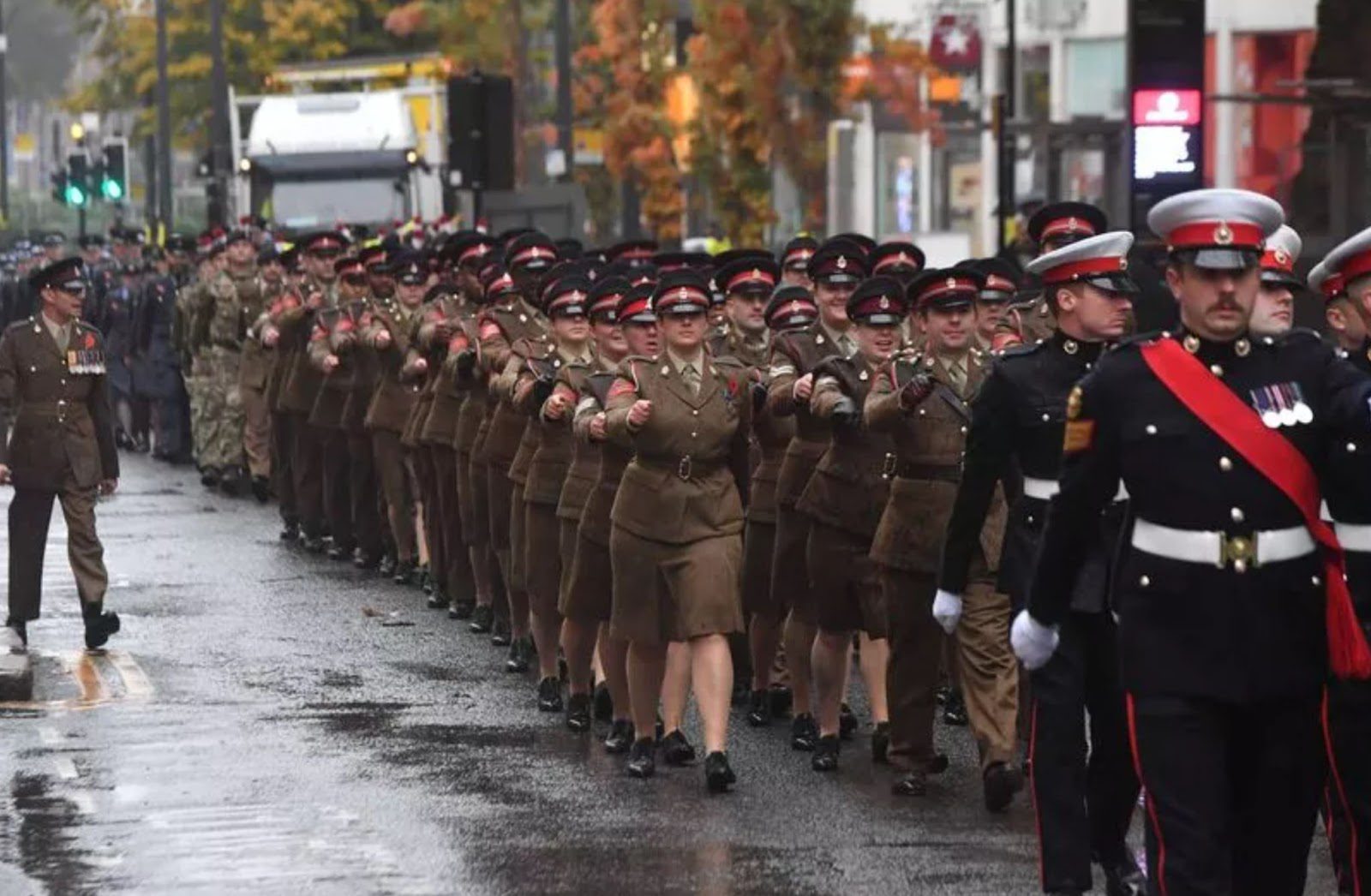
Today, Birmingham continues to honour the heroes of that era. Commemorative occasions like VE Day and Remembrance Sunday are a time for reflection, with many visiting the graves of fallen relatives. Local cemeteries often extend their hours to accommodate visitors on these days. It is a time for Brummies to remember the generation that fought for freedom and the civilians who supported the war effort on the home front until victory was declared.
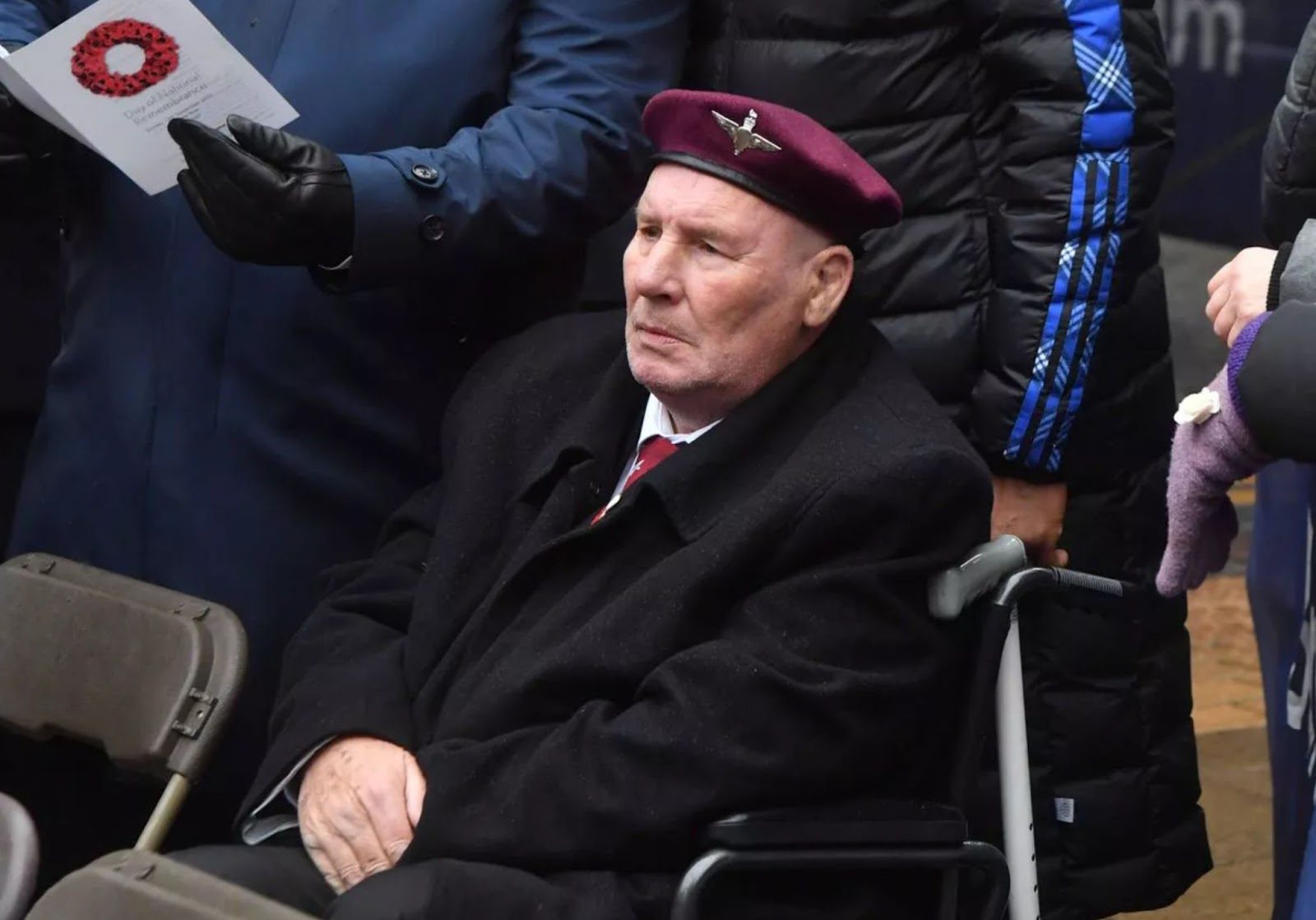
On Remembrance Sunday, families make their way to Colmore Row for the city’s annual parade. By 10 a.m., local Wetherspoons are already filling up as crowds of service members, veterans, and their families head towards the annual service at St Philip’s Cathedral.
The service honours the servicemen and women, as well as civilians, who contributed to the efforts in the First and Second World Wars and later conflicts.
The local remembrance service is usually well-attended by veterans, cadets, police, and the fire service. Unfortunately, in recent years, the day has also seen events far removed from its patriotic spirit. In 2023, for instance, Remembrance events in London were marred by clashes between police, far-right activists, and counter-protesters. While there are concerns about similar disturbances in Birmingham, the services have so far remained peaceful.
Wreaths are laid by representatives from all corners of the community, from Jewish and Muslim faith leaders to serving personnel, reservists, cadets, and veterans of the Armed Forces. This is followed by a moment of silence to honour those who died for freedom, including the freedom of thought and speech.