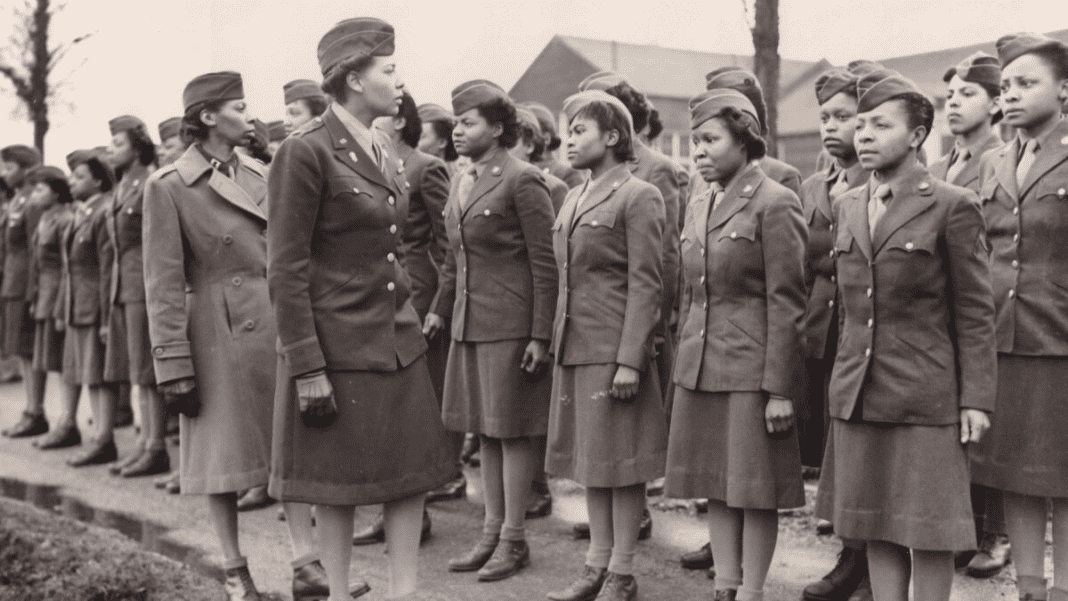

During World War II, the US Army remained segregated, that is, divided along racial lines. A separate group of African-American women played a significant role in maintaining the morale of the troops during the war. They were the 6888th Central Postal Directory Battalion of the Women’s Army Corps. Under the command of Major Charity Adams, who was the only dark-skinned woman to hold such a high rank, 855 women left the United States for Europe to fulfil their special mission. Most of them were engaged in postal services. However, some members of the group were cooks, mechanics and other service personnel. The unusual military unit was remembered under the nickname Six Triple Eight. Learn more at birminghamyes.
Charity Adams and the first battalion of African-American women
Charity Adams played a significant role in the formation of that military women’s unit. She joined the US Army in 1942, becoming the first African-American female officer. Her career developed rapidly. In 1943, a 24-year-old military woman headed the headquarters of the Fort Des Moines training base. At the beginning of 1944, she prepared four combat companies in Georgia and received the rank of captain. In December of the same year, Adams was put in charge of post offices in Birmingham. Her duties also included raising the women’s morale during the war. To fulfil that task, Charity created a network of women’s salons, where they could come just to chat. They became very popular. At the beginning of 1945, a dark-skinned young woman became the commander of the first African-American battalion of the Central Postal Directory, which was the only one assigned to perform tasks abroad.
A trip to Birmingham and an exceptional mission
855 women of the Six Triple Eight Battalion left for Europe on the high-speed liner Île de France in February 1945. The journey across the Atlantic Ocean lasted for 11 days. German underwater mines posed a great threat. Closer to the shore, it was important to manoeuvre and move slowly and carefully. The ship cleared the obstacles and arrived in Glasgow, where Adams met the women. Then the military unit went to Birmingham.
Their first impression was terrible. The city was heavily bombed and lay in ruins. Almost nothing remained of some of the buildings in the central part of the city and the streets were often full of bomb blasts. The battalion was stationed at King Edward’s School. It wasn’t heated and the windows were painted in a dark colour to disguise it from possible bombings.
Women’s main mission was to sort and send letters to their destination. A large part of the mail was in the temporary office for almost two years. More than 17 million letters accumulated during that time and new ones continued to arrive.
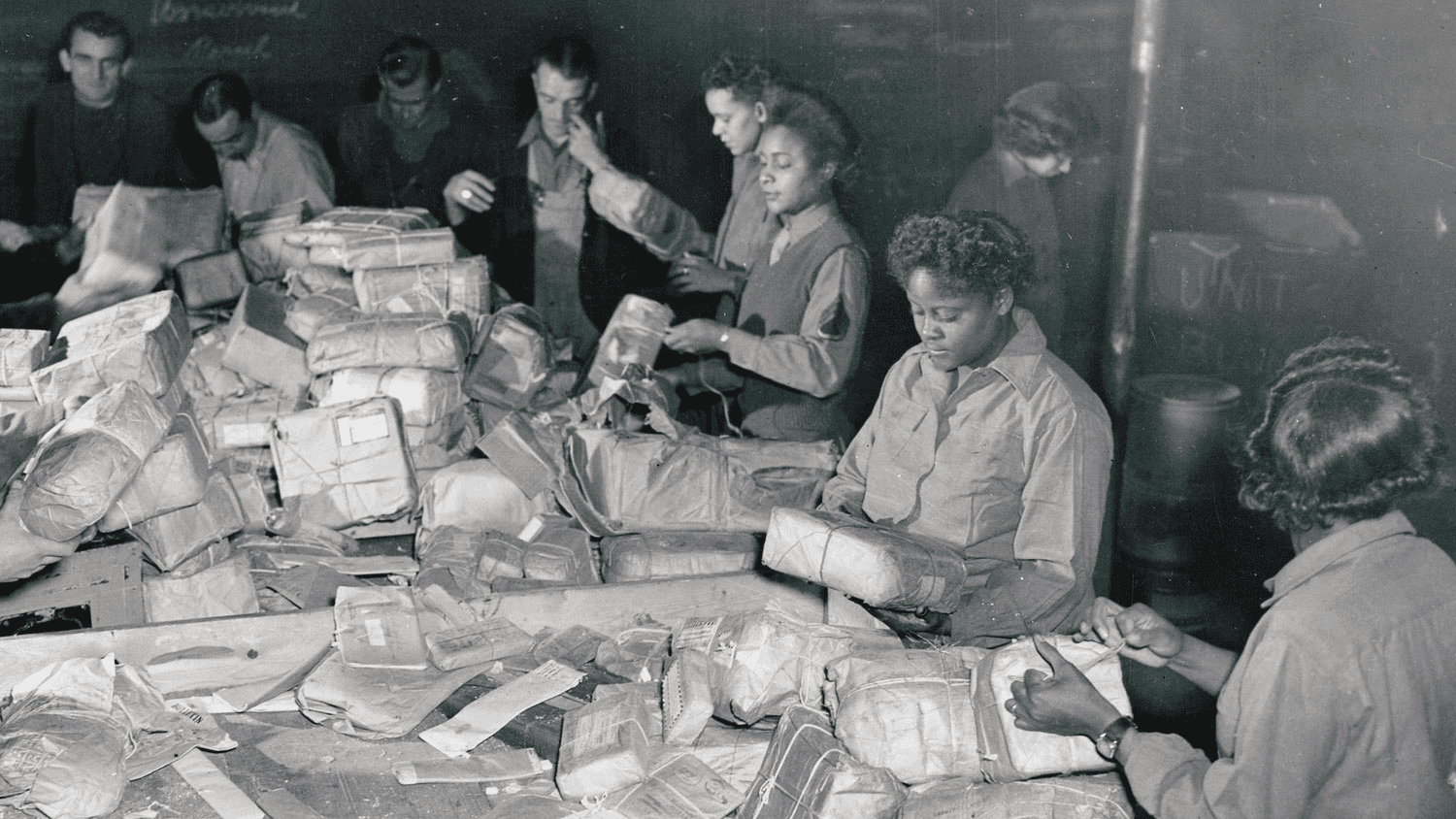
The main difficulty consisted in checking the correct address and name of recipients. Many parcels contained only the first name without the last name. Sometimes, there were just pseudonyms. The battalion developed its own mail processing system. First, they created a separate filing cabinet with the same or similar names and serial numbers. It included 7 million cards. The next step was mailing. They had to work around the clock every day. More than 65,000 letters and packages were processed in one shift. Army officials believed that the successful delivery of mail had a strong effect on the morale of those at the front. Therefore, their work was equated to a combat task. Letters and parcels carried hope, love and memories, which were sometimes more important to the military than anything else. Women understood the importance of their mission and adhered to the slogan “No mail, low morale“.
They had to sort out all the correspondence in half a year, but the Six Triple Eight battalion successfully managed to do it in three months. After that, the unit was sent to France to do the same.
American women felt good in Birmingham. After shifts, they often walked around the city, visited restaurants, danced, played bowling, etc.
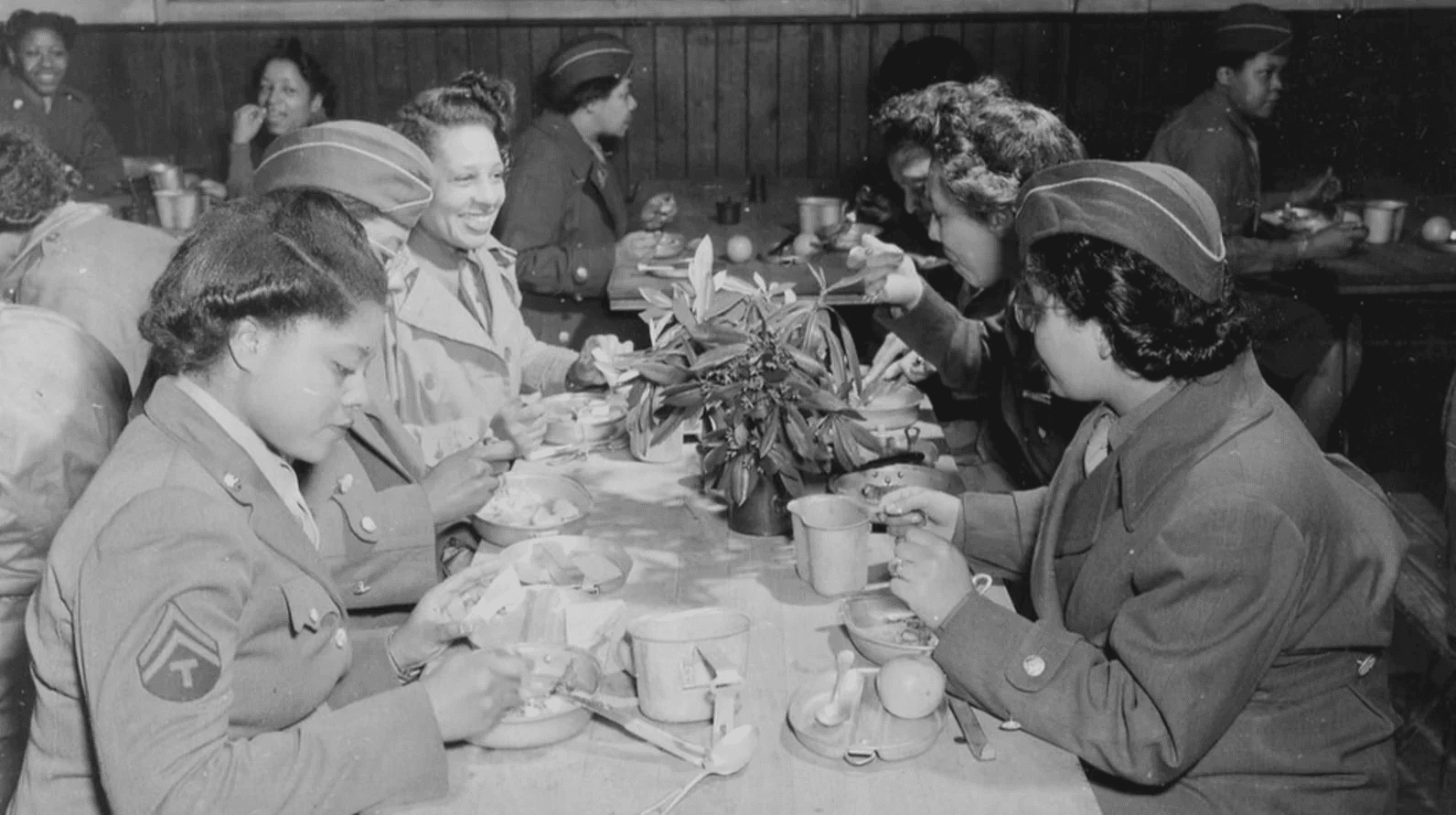
Dark-skinned women in military uniforms quickly attracted attention. The people of Birmingham treated them with a certain respect. Sometimes, they invited guests for tea or Sunday lunch. Many women noted that they were treated there better than in their homeland.
In 1946, the unit returned to the USA and was disbanded. The battalion received several awards, but there was no public recognition. Their tribute came only in the 21st century during the administration of Barack Obama. In 2019, a commemorative plaque was installed on one of the buildings of the King Edward School in Birmingham, which notes the stay of the Six Triple Eight battalion.