

Known in the Caribbean community as their own Captain Tom Moore, 98-year-old Albert Jarrett of Shard End witnessed the bombing of England firsthand before celebrating VE Day. Yet, if you met this gentle grandfather strolling down a Birmingham street, you would never guess he was in fact a hero of the Second World War. Born in Jamaica in 1924, Albert Jarrett lived a quiet life in his cosy Shard End home, but his story is one of a Royal Air Force veteran who also became a baton bearer for the Birmingham 2022 Commonwealth Games at the age of 98. Read on to learn more about the life of this Birmingham veteran at birminghamyes.com.
Life in Jamaica
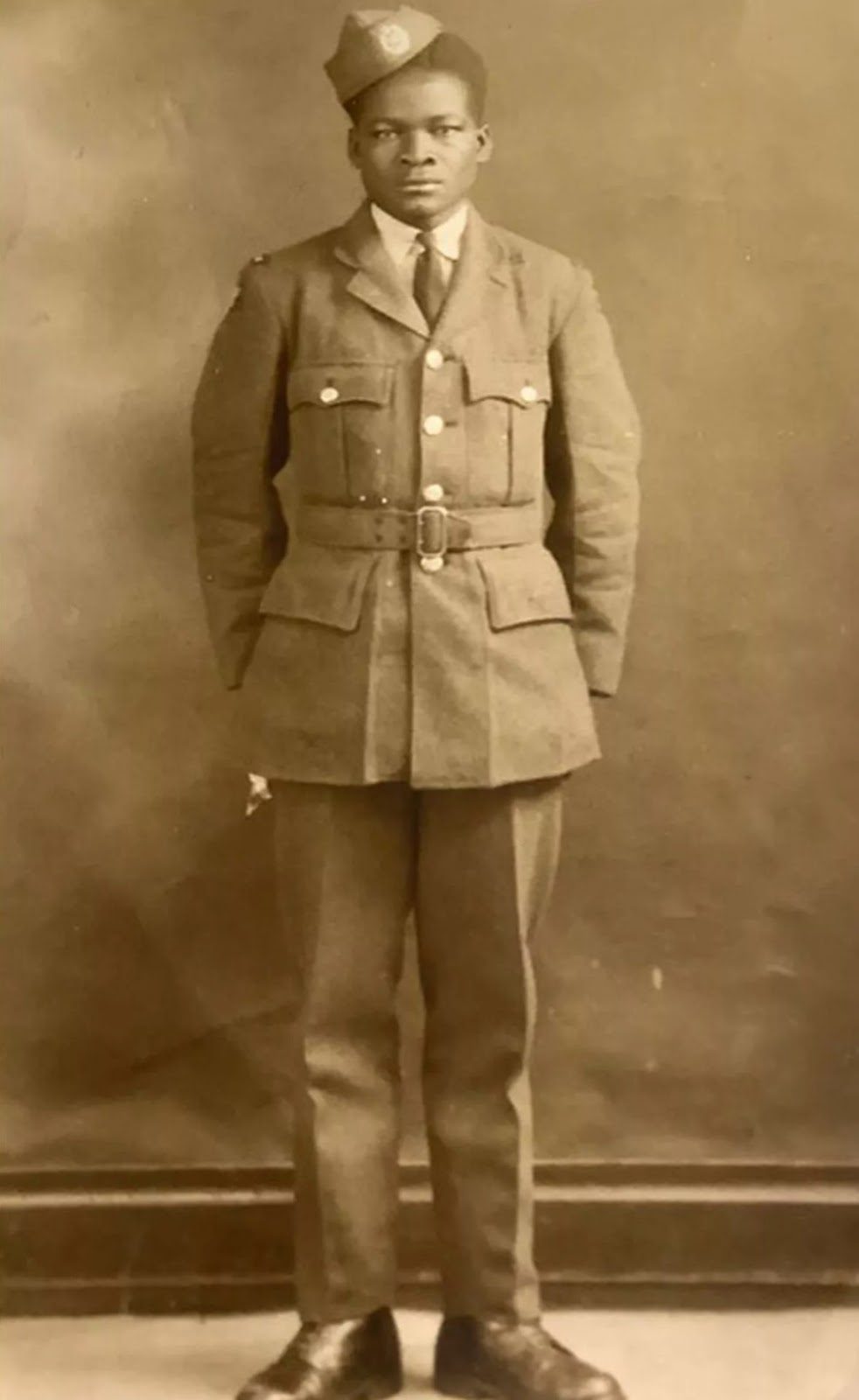
Albert Jarrett led an extraordinary life spanning two Commonwealth nations. At 17, he enlisted in the Royal Air Force (RAF) in Jamaica during the Second World War and later moved to serve in England. He witnessed historic, and often terrifying, events. He saw the devastation as German bombs fell on Great Britain, destroying homes in Birmingham. A few years later, he joined the jubilant celebrations on VE Day.
Albert recalled his teenage years in Jamaica, where he faced a stark choice: stay with his strict father or join the war effort. His father, an engineer working in Panama, wanted to take the carefree young Albert under his wing, as his mother struggled to control him. Albert, however, had no intention of going. Instead, a tip from a good friend during the height of the war provided an escape. He learned of an RAF recruitment drive in Montego Bay. The boys passed a short aptitude test and were selected—all without Albert’s father knowing a thing.
The young man then boarded a ship for a 23-day voyage to the UK. He began his service in Sutton Coldfield as ground crew for RAF Spitfires, supplying essential equipment to the front line as part of the engineering corps. He was later transferred to Bomber Command in Grantham, Lincolnshire. He slept with his rifle every night, just in case. Despite the dramatic change in climate, Albert adapted quickly. He fondly remembered how locals would often invite him home for tea when they saw him in his uniform.
Service in the Royal Air Force
Even with bombs falling from the sky, Albert remained remarkably unfazed by the chaos of war. To this day, he considered his service in the RAF to have been a “wonderful” time. Although German bombs rained down across England during those dangerous years, as a young man, he didn’t dwell on the danger. He simply focused on his duties. In fact, he was on night watch when Coventry was heavily bombed.
Then came VE Day, and the war was finally over. When victory in Europe was announced, Albert was in Sutton Coldfield, near Birmingham. The young man was thrilled to party with his comrades. It remains one of his happiest memories of 1945. The camp command gave everyone leave to go out and celebrate. Many of his friends went into town and had to be brought back to camp because they were so drunk they could barely move.
Demobilised in 1946, Albert returned to Jamaica, only to come back to the UK in 1953 as part of the Windrush generation. He lived in Birmingham with his beloved wife, Shirley. He ran a successful business and raised a family, proudly watching his children succeed—some attending Oxford and one now working in the Home Office. The veteran also doted on his grandchildren, whom he said he loved dearly.
Albert fought to fill the missing pages of British history. His self-funded archive, The Forgotten Generation, records the stories, photographs, and research of British African and Caribbean people, many of whom immigrated to the UK and were separated from their families and children.
Taking Part in the Queen’s Baton Relay
The countries featured on the website range from Ghana to Nigeria and the Bahamas. The founders hope the archive will be used in schools to highlight the contributions of African and Caribbean people to British history. The website also includes emotional stories of separated families and information on prominent figures in Black history.
The Birmingham resident, affectionately known as the “Jamaican community’s Captain Tom Moore,” became a director of the charity The Forgotten Generation (TFG), established to honour British service members from African and Caribbean nations.
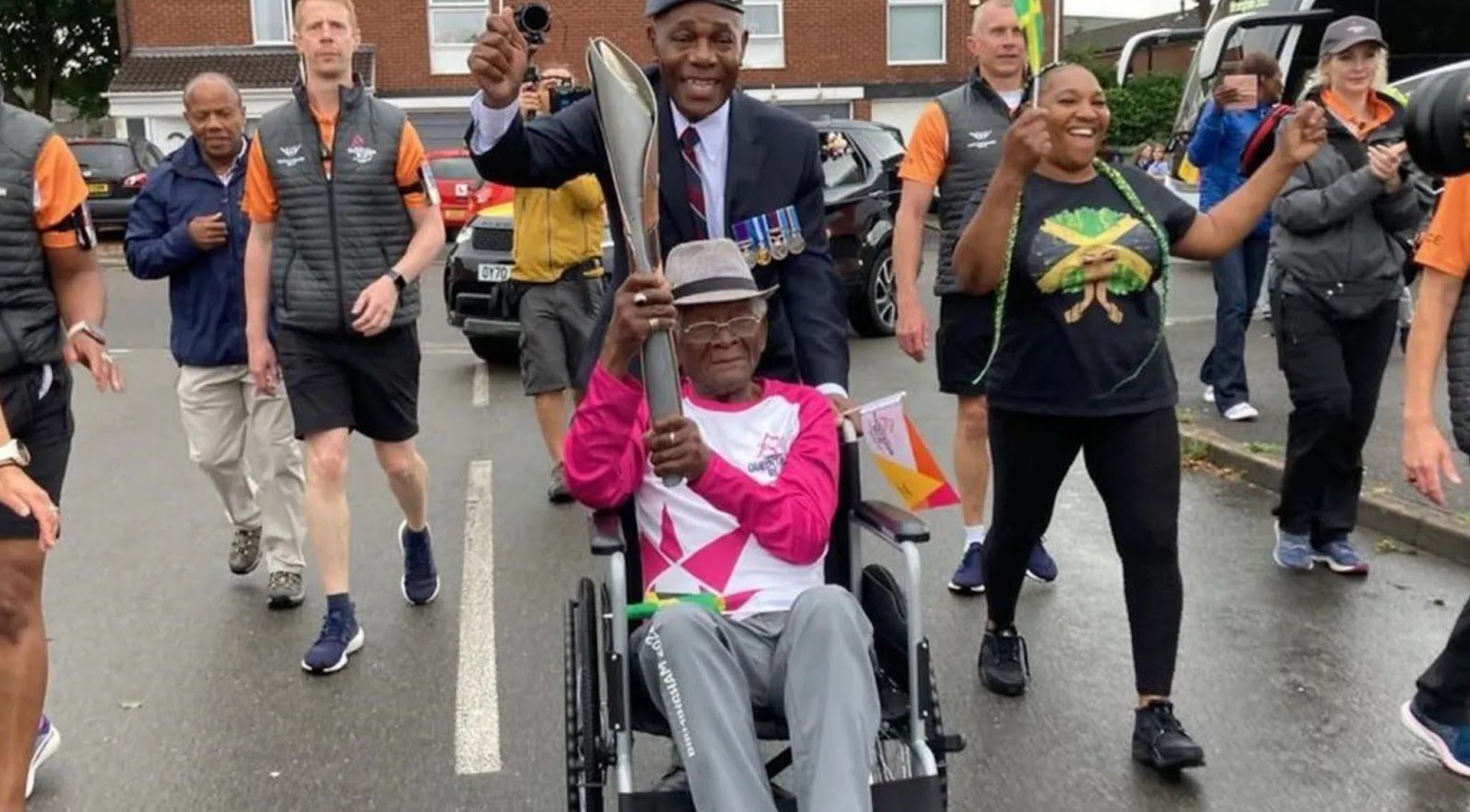
In 2022, Albert Jarrett took part in the Queen’s Baton Relay for the Commonwealth Games. On 26 July, Albert participated from his wheelchair, sharing the honour with his friend Donald Campbell. Campbell, also a native of Jamaica, is an RAF veteran who served later, beginning in 1969.
Together, the men visited 10 Downing Street, where they were recognised for The Forgotten Generation (TFG) project, which highlights the service of African and Caribbean people to Great Britain. Each veteran received a Points of Light award.
Recognition at Last
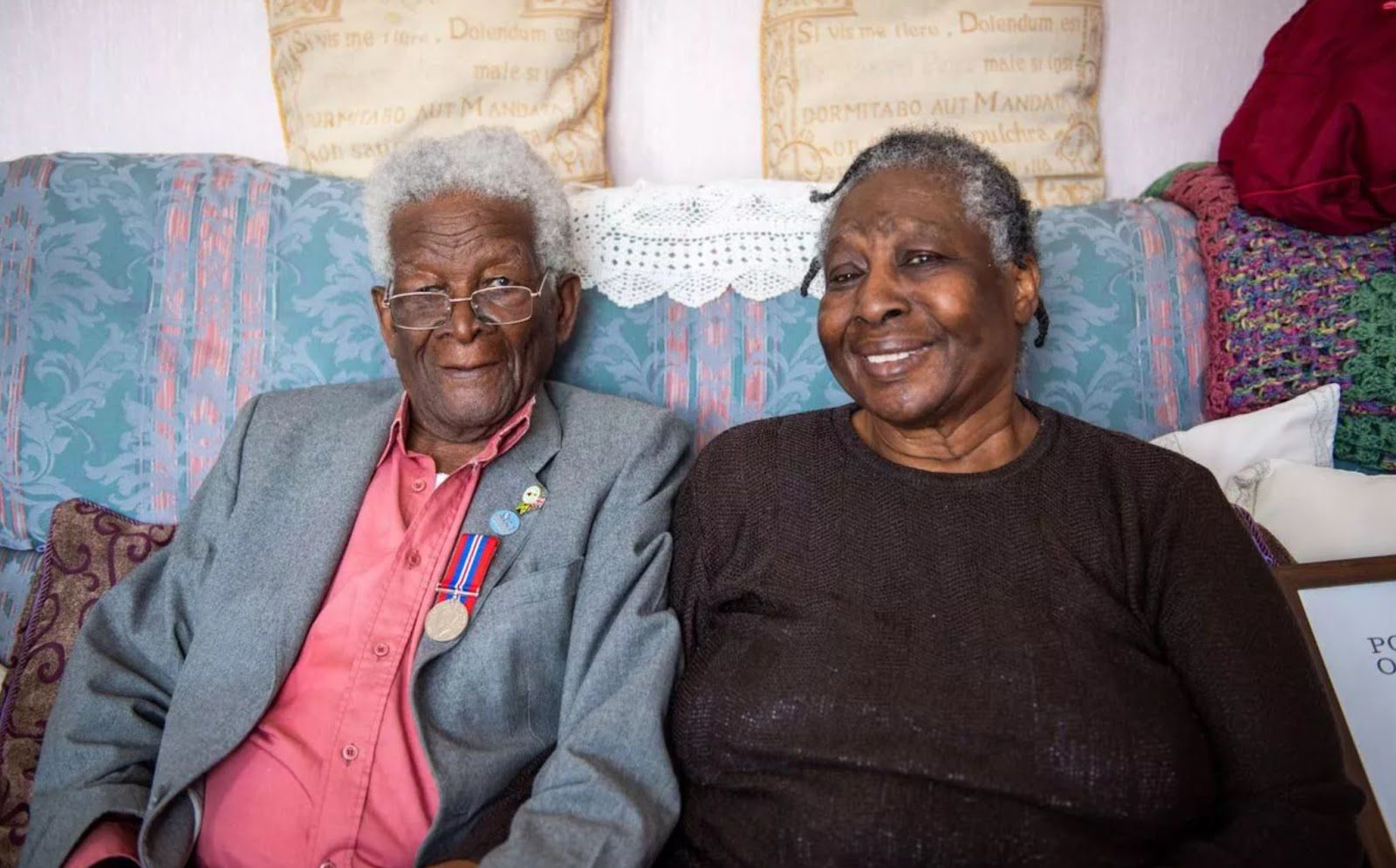
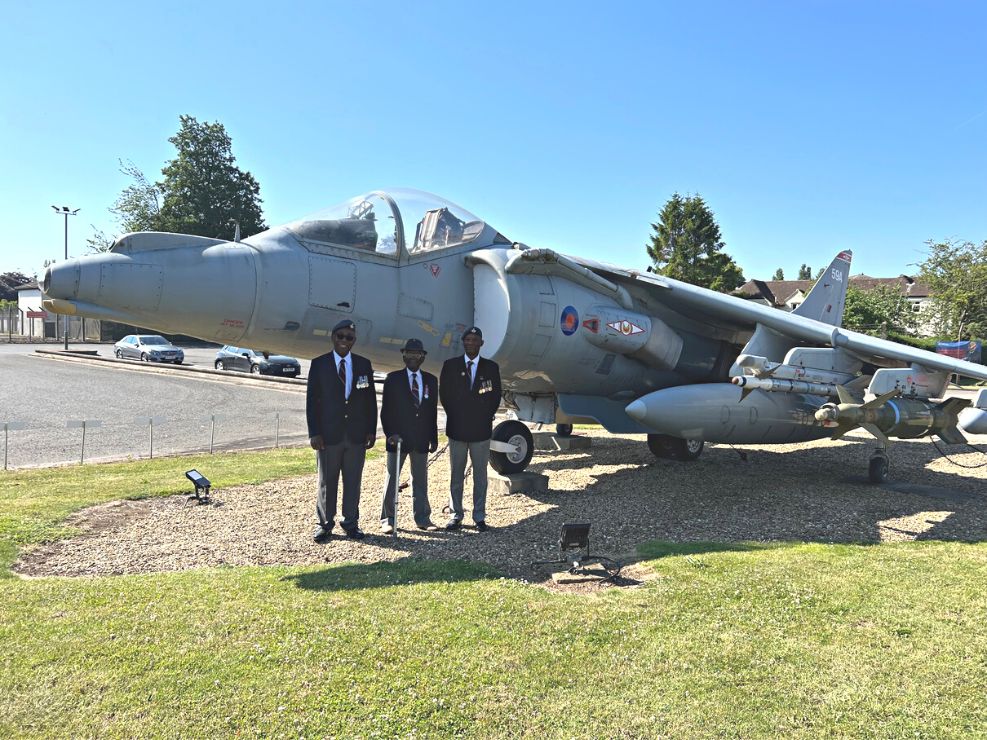
Speaking of awards, after enquiries to the Ministry of Defence, Albert finally received his war service medal in 2021—a full 75 years late. In June of the same year, at a Platinum Jubilee reception at 10 Downing Street, he also received a Points of Light Award for people who make a difference in their community. Later that month, despite his age, Albert Jarrett visited RAF Wittering to take part in a Jamaican cultural day. Unsurprisingly, the media constantly sought him out for interviews, and he often appeared on local and national radio, television, and in the press.
As a Commonwealth citizen, Albert was thrilled about the Games. He considered carrying the baton a major life achievement that he cherished and was proud of. In his view, “The Commonwealth Games represent unity between countries and nations.” At 98, Albert Jarrett became the second-oldest person to take part in the Queen’s Baton Relay when it set off in Solihull on 26 July. On this occasion, he was surrounded by well-wishers as a song written in his honour by Birmingham reggae artist Ras Negus played.
The renowned RAF veteran, Second World War hero, and dedicated community man, Albert Jarrett of Birmingham, passed away on 3 August 2022, at the age of 98. Announcing his death, the National Caribbean Monument Charity thanked him for his military service. Furthermore, knowing how much Albert was looking forward to the unveiling of a monument planned for the National Memorial Arboretum, the charity assured him before his death that work on it would begin on 7 September.