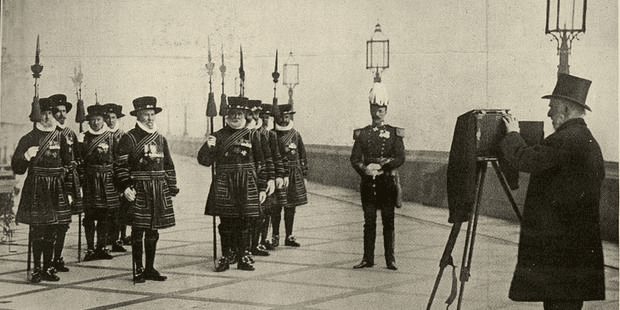

Sir Benjamin Stone was a man of many talents, a true Victorian figure whose life reflected a remarkable era of change. He was a successful entrepreneur, an influential politician, and a gifted photographer who captured pivotal historical moments, earning him a lasting place in the memory of Birmingham’s residents. Find out more at birminghamyes.
Entrepreneurship and Politics
John Benjamin Stone was born in 1838 in Duddeston, a Birmingham neighbourhood that would later become a central part of the city. His father was an artisan who worked as a manager at a small glass factory. In 1860, his father and a partner took ownership of the business. The father entrusted a part of the workshops to his son, and John decided to go into paper manufacturing, where he quickly found success. In 1867, he married Jane Parker, the daughter of an official from Lothersdale. His father-in-law encouraged him to enter politics. He joined the Conservative Party and founded the Birmingham Conservative Association. In 1886, the budding politician became the first mayor of Sutton Coldfield, a small, historic town near Birmingham, a position he held for four years. His career flourished, and John Stone was elected as a Member of Parliament (MP) to represent the interests of the people of East Birmingham. He served in public office from 1895 to 1909. His services were recognised with a knighthood in 1892 and his appointment as High Steward of Sutton Coldfield in 1902. Holding high public office allowed John Stone to travel extensively, visiting parts of the British Empire, Japan, Norway, Spain, North Africa, Brazil, and other countries.
From Hobby to Profession
Back in the 1860s, while still an entrepreneur, John developed a keen interest in antiquities, natural history, and social sciences. He began collecting photographs and postcards, commissioning new ones and exchanging them with fellow collectors. Many of his friends knew about his hobby and often gifted him new pictures. Over time, his library filled with images, which Stone personally organised and catalogued. He particularly enjoyed arranging photographs of landscapes alongside objects like vases, ornamental plants, and tea caddies. Frustrated when he couldn’t acquire the photos he wanted, John decided to learn photography for himself. He hired professionals to master the craft. In the process, Stone also became an innovator. He was a pioneer in the move from wet plates to dry plates, a change that eliminated the need to develop images on the spot.
In the 1890s, John Stone founded and became the president of the Birmingham Photographic Society, which aimed to survey and record the nation’s architectural and historical heritage for posterity. The first works were presented in 1892. In 1897, he organised the National Photographic Record Association, which operated until 1910 before it was disbanded due to a lack of funding. During its time, the association’s members managed to take thousands of photographs, which have become a cultural treasure and are preserved in the Birmingham Museum.
Historic Moments
Stone’s most famous photographs depict ordinary rural folk, ancient customs, holidays, and folk festivals.
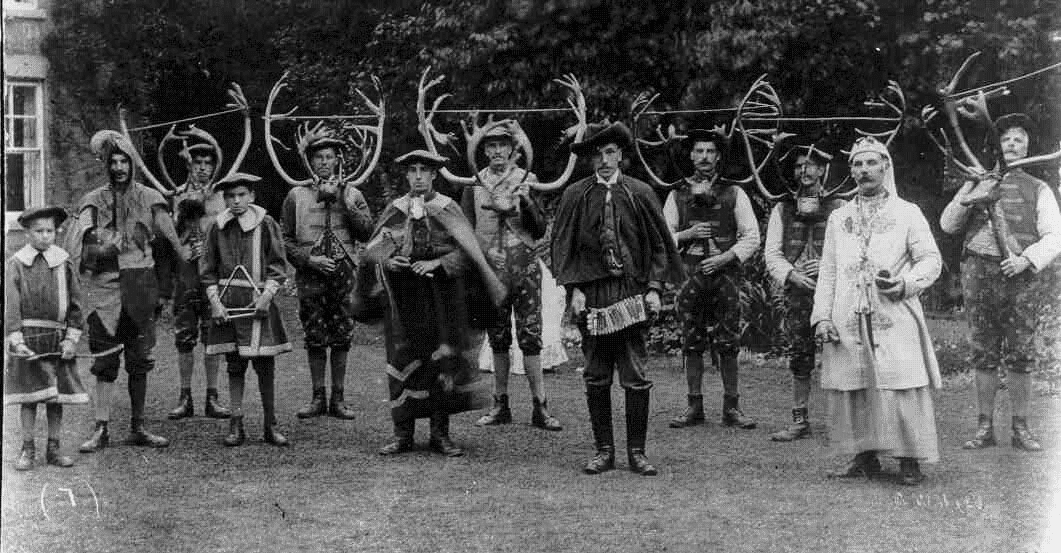
A separate collection features individual and group portraits, scenes of street life, and historic buildings, particularly churches and country estates. His political connections and his position as a Member of Parliament granted him access to places typically off-limits to photographers. This is why unique photographs of Windsor Castle, Westminster Abbey, and other royal residences exist today—thanks in part to his political career. Stone photographed not only the interiors of the palaces but also the staff and distinguished visitors of the Royal Family.
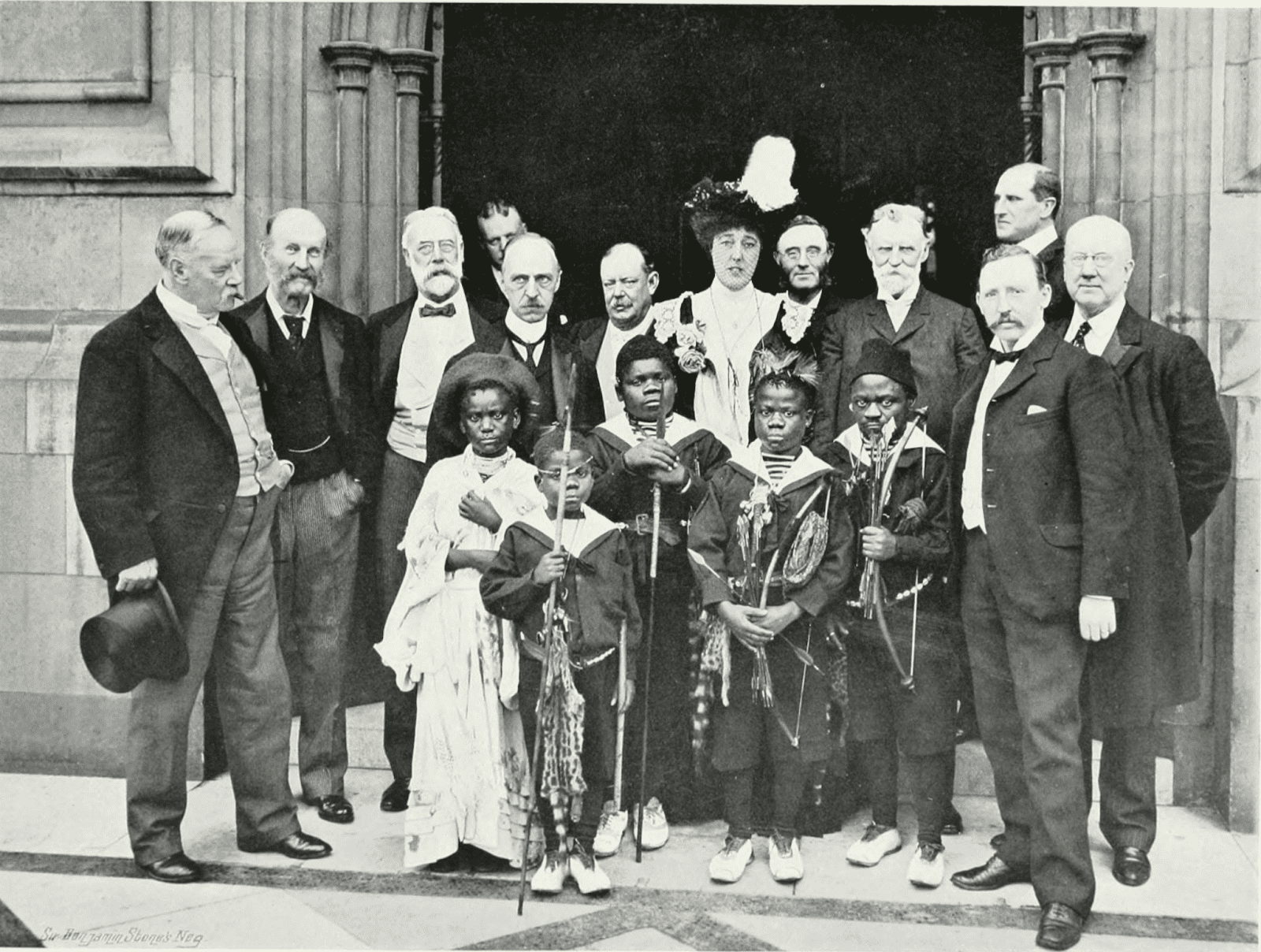
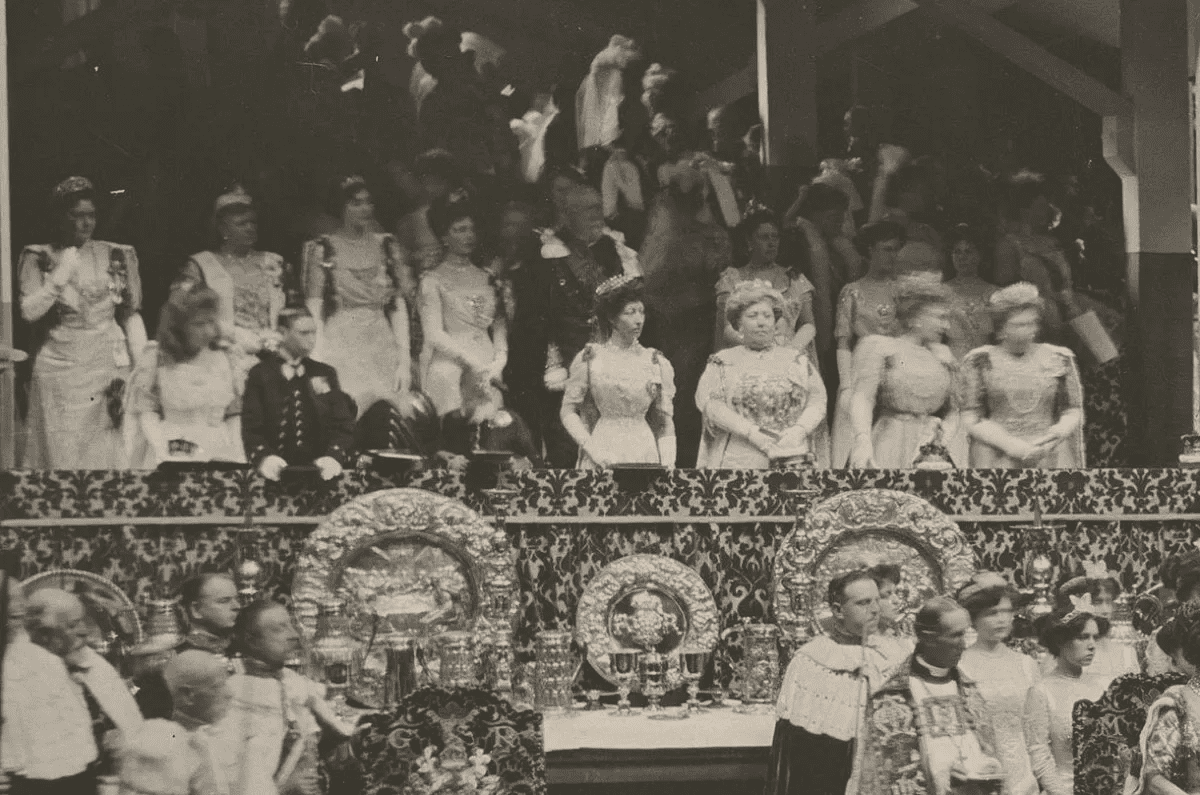
A particular career highlight was his appointment as the official photographer for the coronation of King George V. Stone had a knack for capturing the pomp and pageantry of royal and parliamentary ceremonies.
Beyond capturing national and foreign traditions, the talented photographer travelled with a scientific expedition in 1893 to document a total solar eclipse in northern Brazil. It was there, leveraging his diplomatic skills as a politician, that he captured one of his most remarkable images. He managed to photograph Governor José Clarindo de Queirós during a rebellion by famously persuading the rebels to hold their fire on the governor’s palace until he could take a picture of them with their weapons.
John Stone took 26,000 photographs in his lifetime. During his travels, he also wrote several books, including ‘A Tour with Cook through Spain’, ‘Children of Norway’, and ‘The Traveller’s Joy’. He also meticulously documented the folk traditions of the British Isles. In the early 1920s, John Stone’s descendants donated his photographic collection to the Birmingham Library.
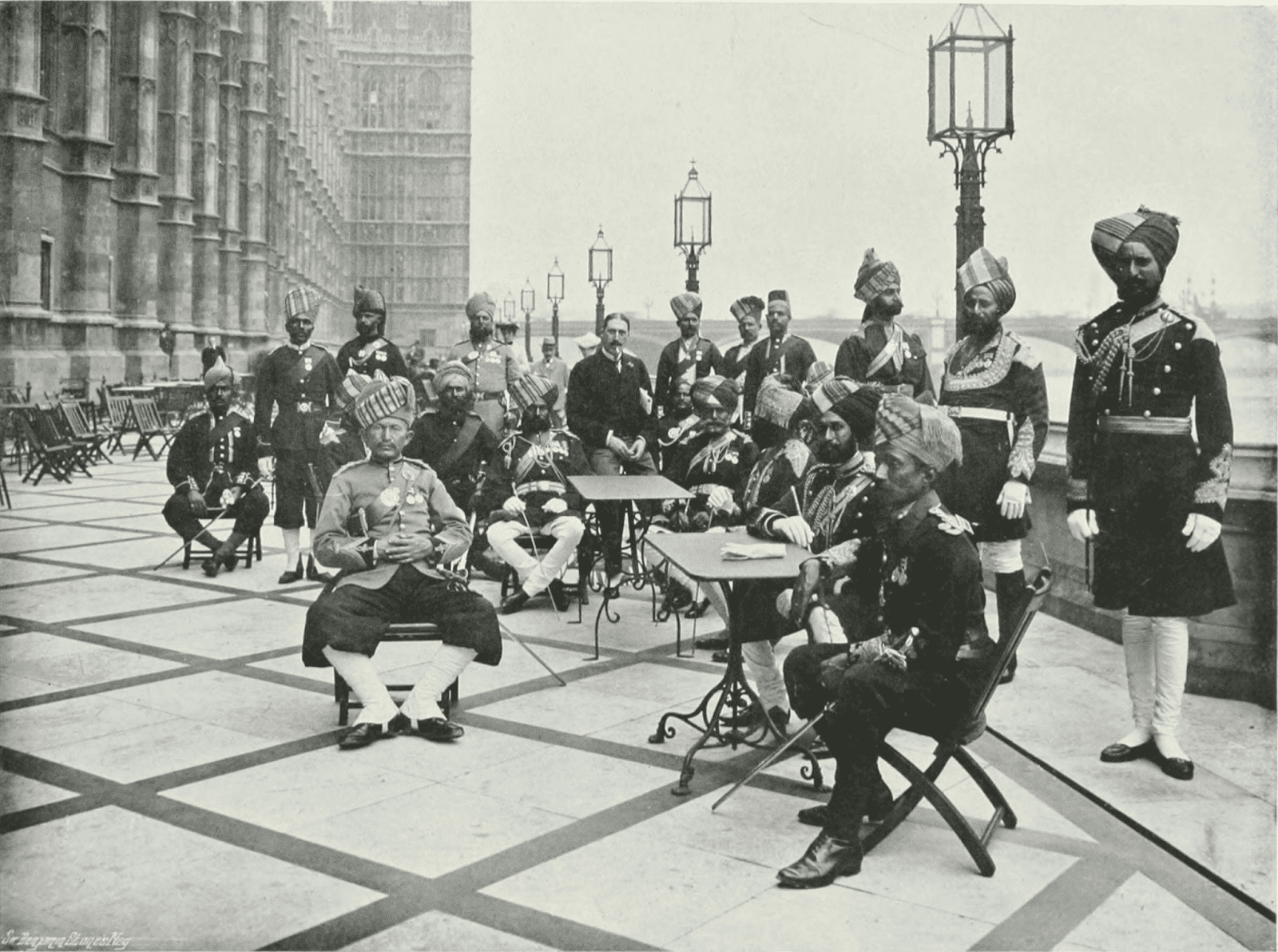
In 1993, an exhibition titled ‘From Negative Stereotype to Positive Image’ was held, comparing his views of late 19th-century Birmingham with contemporary scenes.
The life and work of Sir John Benjamin Stone offer a fascinating insight into the Victorian era, with all its triumphs and tribulations. His skill as a photographer ultimately surpassed his political achievements. Stone’s work remains an important touchstone for photographers who study traditions and places, and for those who seek to document the changing face of a nation and the relationship between the individual and the community.
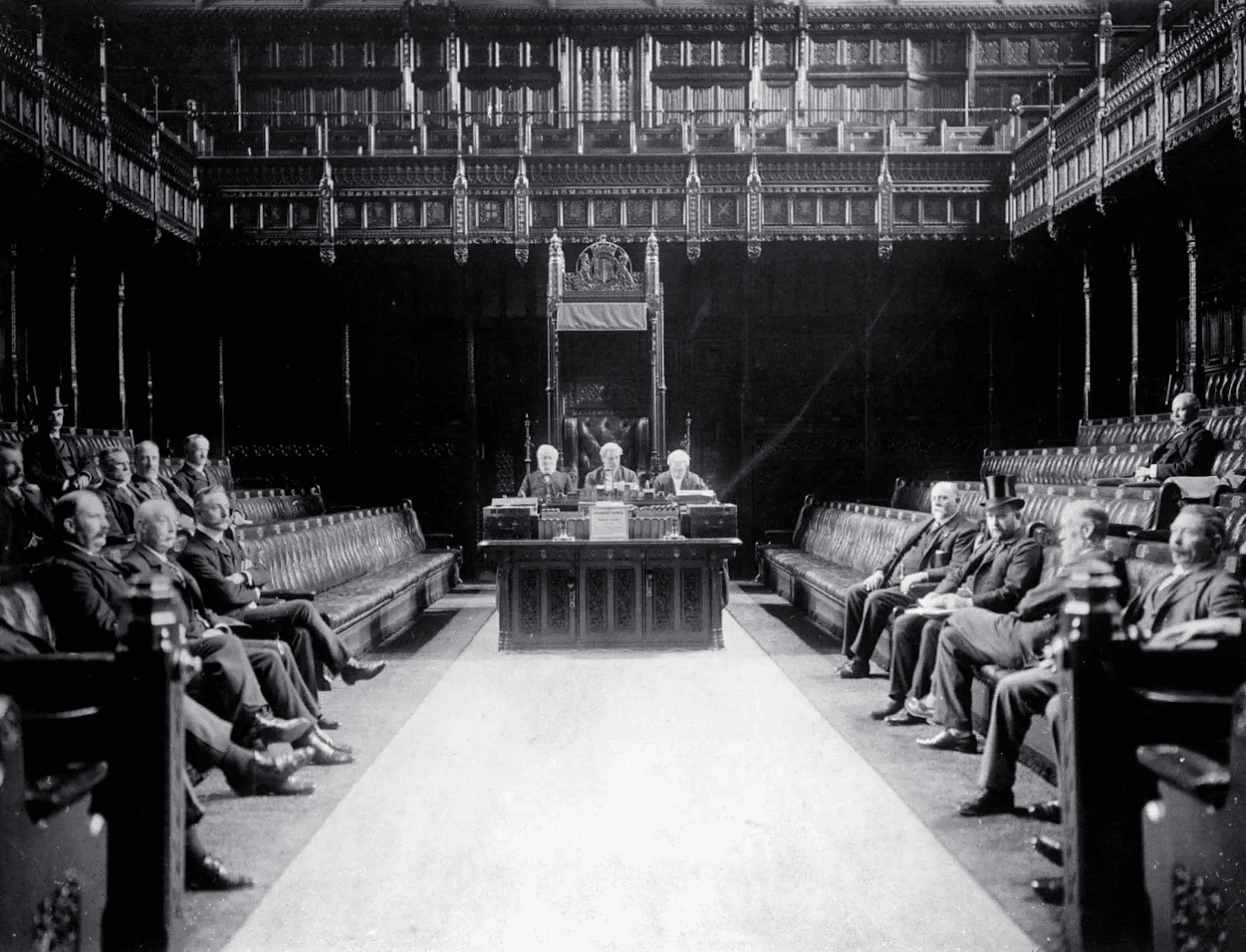
He firmly believed in the importance of recording historical and cultural events, stating: “A photograph is a record of fact which will show those who come after us not only our buildings, but also our everyday life, our manners, and our customs.”