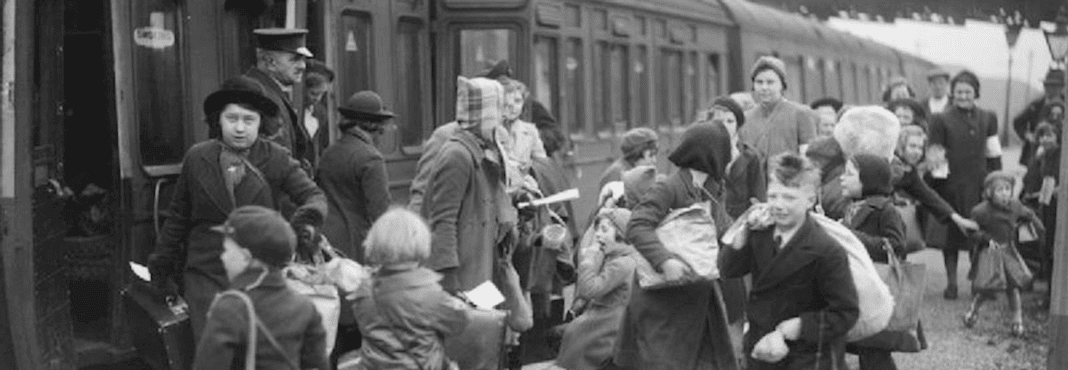

The British government was preparing in advance for the start of hostilities, which later became known as the Second World War. According to military experts, the large industrial centre of Birmingham was one of the primary targets for the enemy. Thus, authorities developed plans on how to protect cities from bombings and evacuate children. Small groups of women and children with disabilities began to be taken out during the Munich Crisis of 1938. The main wave of evacuation began on September 3, 1939, immediately after Great Britain and France declared war on Germany. Learn more at birminghamyes.
According to the plans of the country leadership, a total of more than 3,000,000 children were subject to evacuation. Official documents indicate that 1,500,000 of them arrived at their evacuation destinations by the evening of September 3.
Features of the evacuation plan
In 1938, about a year before the start of the war, the Advisory Council was formed to develop a detailed plan for the continued welfare, education and isolation of children from the psychological shocks that the bombing might cause. Hundreds of thousands of minors were to be evacuated from Birmingham. The council included representatives of city administrations and educational institutions. First of all, they distinguished the priority groups, such as schoolchildren, preschoolers and children with disabilities. Schoolchildren had to be evacuated under the leadership of teachers. They were the biggest group, more than 60% of the total number. Children under the age of five had to leave with their mothers and the disabled had to be accompanied by specialists.
It was emphasised that the basis of the plan is voluntary evacuation and accommodation in private houses. Children had to be evacuated to small towns and rural areas. Two-day rations were delivered in advance. The evacuation was thought through to the smallest details. It was clear that the capacity of trains and intercity buses wouldn’t be enough. Therefore, evacuation trucks were allocated and equipped to transport people.
Specialised schools were moved to summer camps, while kindergartens were relocated to private estates. An exceptional programme for the voluntary adoption of children from large cities was launched. A significant number of Britons immediately responded to help. There were more offers than expected. Food and medical expenses were covered by the government.
Memories of forced resettlement
Separation from parents for most children turned into a psychological trauma, from which they couldn’t recover throughout the rest of their lives. Having taken their clothes, the children set off on a journey with tears in their eyes. Along the way, some boys tried to escape home at any opportunity, sometimes not reaching their destination. Policemen were on duty at the stations. They caught poor children almost every day of the first month of the war and returned them to the evacuation points. Most of them ended up in good families. The foster parents tried to support and encourage them. However, not all of the evacuated children received proper shelter.
Unfortunately, some of them got to old barns converted into temporary housing. In rural areas, children were sometimes treated as labour. Adults imposed certain duties on them. Some girls were forced to sew and take care of the foster parent’s small children. Boys were involved in work on farms. They maintained communication with parents through correspondence. Some mentioned that they wrote letters to relatives about the bad treatment, but the guardians didn’t allow them to be sent. Some brothers and sisters ended up in different families and had no chance to communicate at all. Most of all, the children dreamed of just returning home. Apparently, it is impossible to be happy after leaving home, relatives and loved ones, even feeling cared for and having a good attitude. Unfortunately, the war separated some people forever.
Evacuation measures helped save children’s lives. Most of them never witnessed the bombings. However, none of them had good memories of living outside their hometowns. They were deprived of their most important right to a happy childhood.
After the full-scale invasion of Russian troops into Ukraine on February 24, 2022, millions of Ukrainian children became refugees as well.